Synaptic maintenance
We investigate how mature synapses preserve their structure and function, with a focus on dose-sensitive transcriptional control by Gooseberry, the Drosophila Pax3/7 homolog.
- Gooseberry / Pax3/7
- Synaptic stability
- Retractions
University of Puerto Rico · Neuroscience
Growth Plasticity Stability Adaptation
Led by Bruno Marie, PhD
We study how synapses preserve function as conditions change, with a current emphasis on the presynaptic adaptations induced by alcohol exposure and withdrawal.
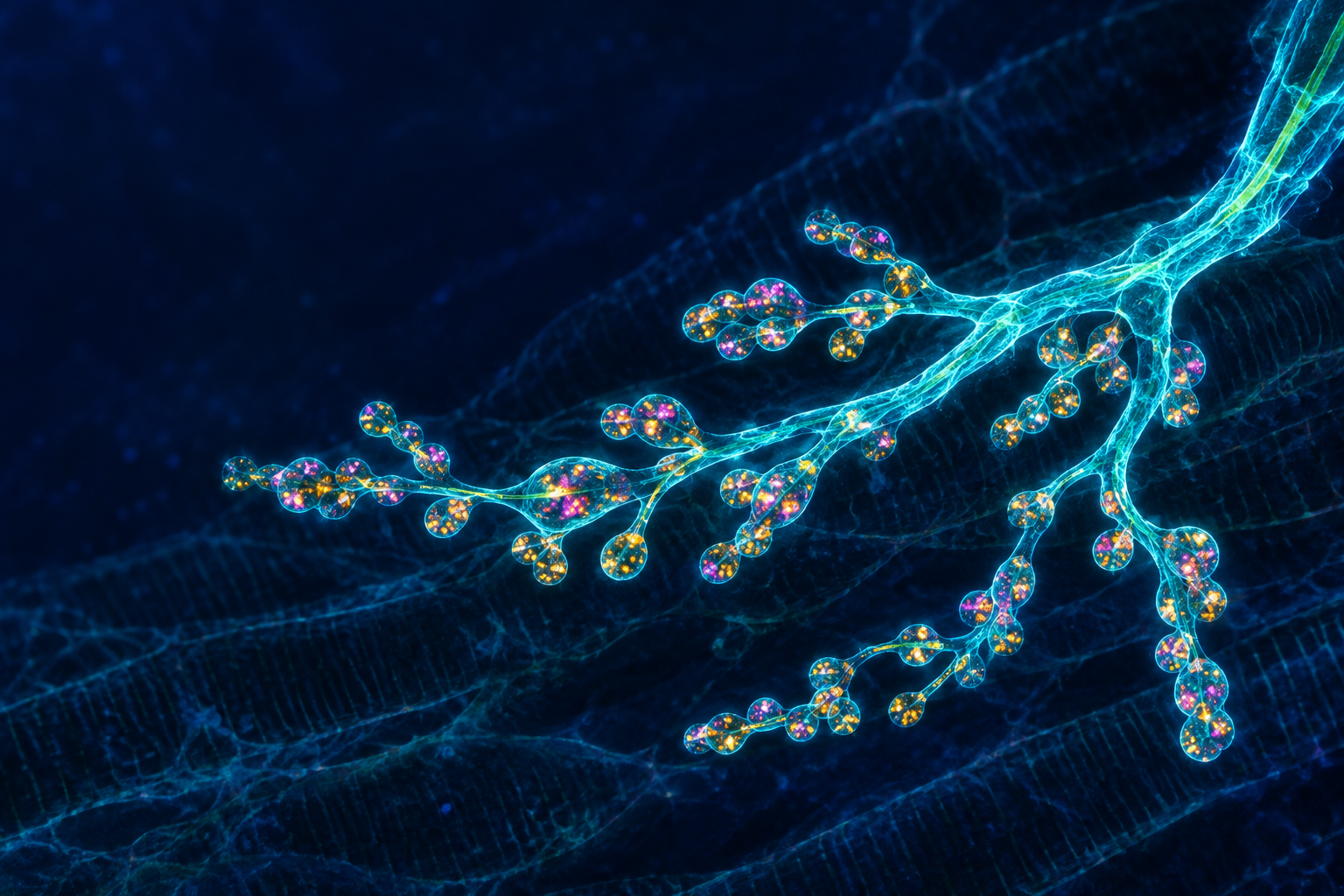
Current lab focusAlcohol and synaptic adaptationIllustrative visualization · Drosophila larval NMJ
Synapses must be both adaptable and dependable. They remodel with activity, development, and environmental experience—yet neural communication must remain remarkably precise.
Our laboratory combines genetics, imaging, molecular biology, and electrophysiology to understand how this balance is established and maintained at identified synapses.
Current lab focus
We use the Drosophila larval neuromuscular junction to determine when synaptic responses to alcohol exposure and withdrawal are adaptive—helping preserve function—and when they become maladaptive, compromising plasticity or long-term stability.
When does compensation protect a synapse—and when does it begin to undermine the properties that keep the synapse functional?
Explore Keisha Serrano’s projectSupport this research
Philanthropic support can expand hands-on student training and the imaging and electrophysiology experiments needed to move this research program forward.
Discuss supporting the programBroader research program
From transcriptional programs to release physiology, we connect mechanism with structure and function.
We investigate how mature synapses preserve their structure and function, with a focus on dose-sensitive transcriptional control by Gooseberry, the Drosophila Pax3/7 homolog.
We ask how synapses remodel in response to environmental challenges, including rapid and prolonged ethanol exposure, withdrawal, and developmental temperature.
We study the mechanisms that let synapses change with activity while maintaining stable communication, including Wnt signaling and presynaptic compensation.
How we work
People
We train graduate and undergraduate scientists through hands-on, question-driven research.
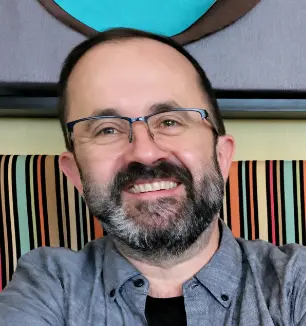
Principal investigator
Professor, Institute of Neurobiology
Academic journey
From cellular biology and genetics to biochemistry and neuroscience, Bruno Marie’s training spans France, England, Puerto Rico, and California.
Cellular Biology & Genetics
University Paul Sabatier
Toulouse, France
Cellular & Molecular Biology
University Louis Pasteur
Strasbourg, France
Biochemistry
University of Sussex
Brighton, England
Neuroscience
University of Puerto Rico School of Medicine
San Juan, PR
Neuroscience
University of California, San Francisco
San Francisco, USA
Current students
Our student profiles trace the educational paths that brought each researcher to the lab and the questions they now pursue.
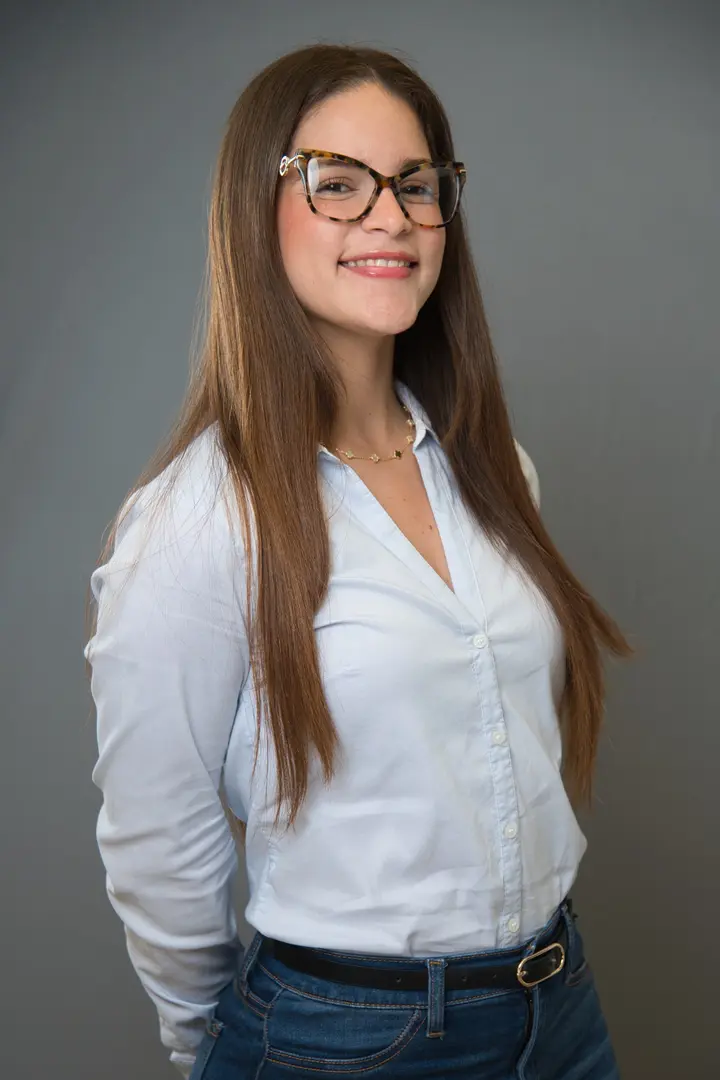
PhD student
Caguas, PR
“Defining the Drosophila NMJ as a model system to study synaptic maladaptation to alcohol exposure”
Keisha investigates how rapid and chronic alcohol exposure reshape synaptic structure, function, and plasticity at the Drosophila larval neuromuscular junction. By combining quantitative imaging and electrophysiology, her work examines when synaptic responses are adaptive and when they become maladaptive.
Lab alumni
Five graduate students have completed their training in the lab. Their profiles will document their work in the lab and the paths they have taken since graduation.
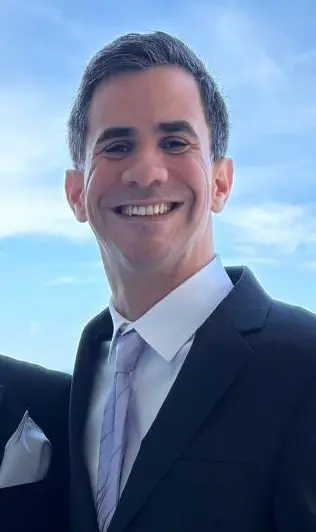
Cupey, PR
Current positionPostdoctoral Investigator, Avital Rodal Lab, Brandeis University
In the Rodal Lab, Kevin studies how presynaptic endocytic proteins are transported, organized, and dynamically regulated at synapses using live imaging, embryonic dissections, and electrophysiology.
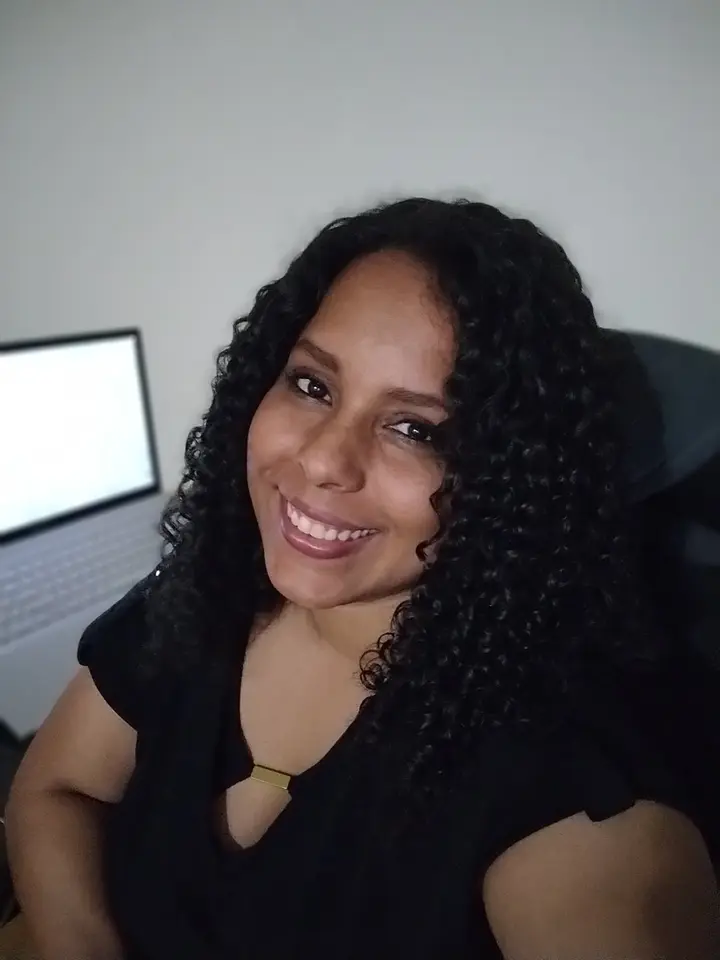
Guayama, PR
Current positionPostdoctoral researcher, Andreas Jenny Lab, Albert Einstein College of Medicine
Carihann’s research focuses on understanding the molecular and cellular mechanisms that regulate Drosophila spermatogenesis.
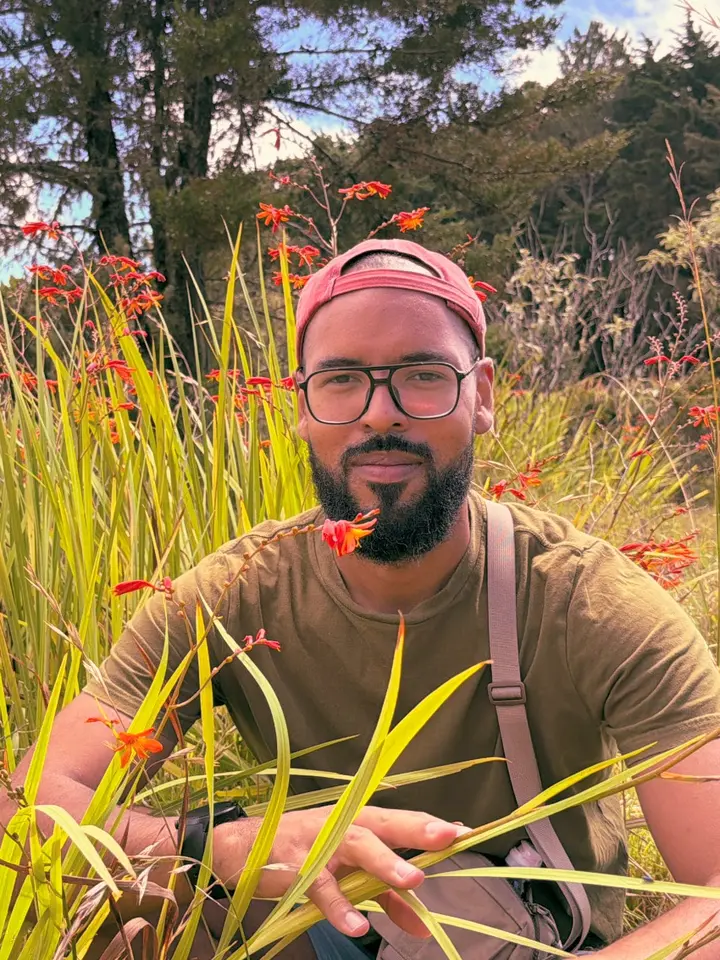
Morovis, PR
Current positionPostdoctoral Research Fellow in the laboratory of Dr. Alonso Ramírez, North Carolina State University
Roberto’s current work investigates how C. vitellinus bioturbation behavior influences benthic biogeochemical processes and how these effects change under warming scenarios, helping clarify how tropical streams may respond to climate change.
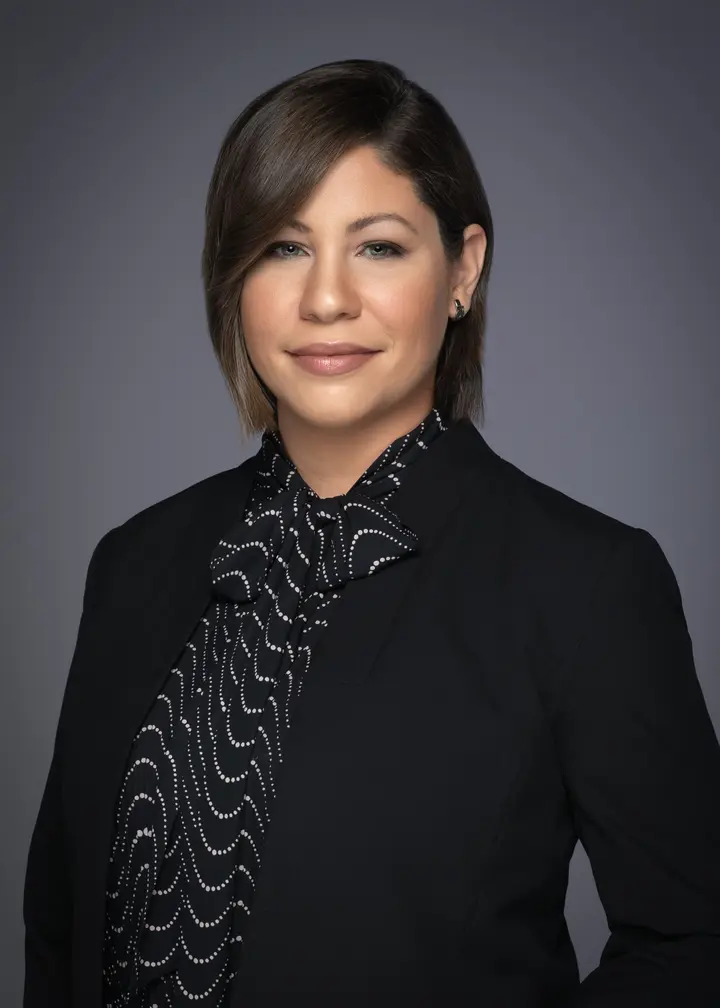
Cupey, PR
Current positionAnatomic Pathology residency and Neuropathology fellowship training, Icahn School of Medicine at Mount Sinai, New York City
MentorsDrs. Richardson, Walker, and Tsankova
Carolina’s work in neuropathology bridges neurodegeneration, neuro-oncology, and illustrative case reports drawn from surgical neuropathology specimens.
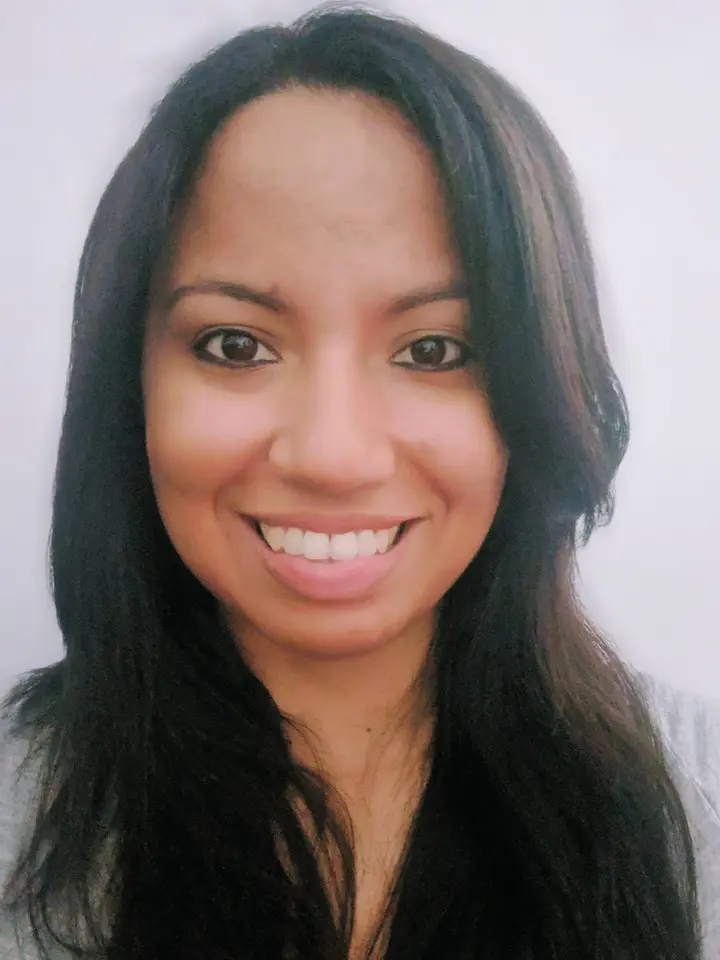
Vieques, PR
Current positionAdjunct Associate Professor of Biological Sciences, School of Integrative and Professional Studies, University of Maryland Global Campus
Selected publications
Prospective students
We welcome inquiries from motivated graduate and undergraduate students interested in synapses, genetics, imaging, or electrophysiology. Introduce yourself, tell us what scientific question excites you, and describe what you hope to learn.
Introduce yourself